The Vietnamese Facial Effect: Why That One Appointment Does What Six Months of Products Can't
You know the feeling. You walk out of a Vietnamese facial — or any traditional Asian spa treatment rooted in Vietnamese technique — and your skin looks different. Not just cleaner. Actually different. Brighter, plumper, more even. Your pores look smaller. The texture that's been driving you crazy for months seems to have taken a temporary vacation.
Then you go home, keep using your regular products, and within two weeks your skin slides right back to baseline.
What happened in that treatment room that your $80 moisturizer and your carefully curated seven-step routine can't seem to replicate?
The answer is layered — and understanding it will permanently change how you think about skincare.
It's Not Just the Products. It's the Hands.
The first thing to understand about traditional Vietnamese facial technique is that the application method is considered just as important as the ingredients being applied. This is a foundational difference from Western skincare, where we tend to focus almost exclusively on what we're putting on our skin rather than how we're putting it there.
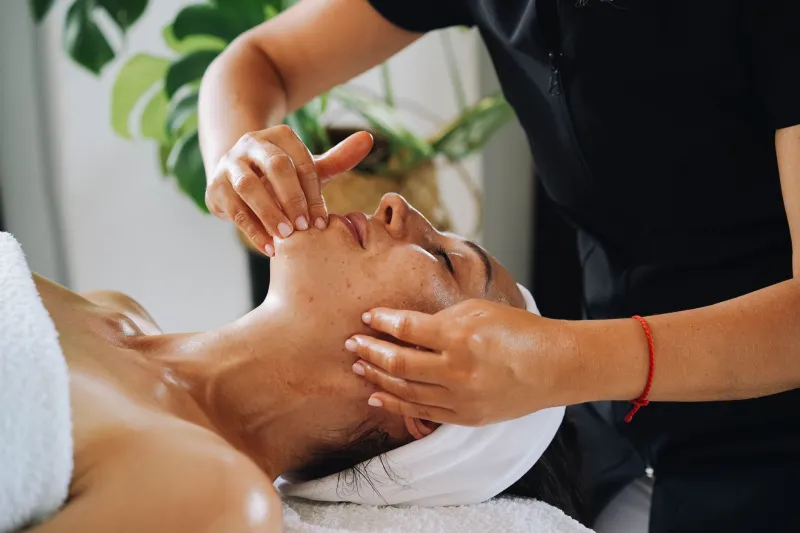
Vietnamese facial practitioners are trained in specific massage sequences that combine lymphatic drainage principles with acupressure point activation. These aren't decorative touches. They're functional techniques with real physiological effects.
Lymphatic drainage massage — using gentle, directional strokes that move fluid toward the lymph nodes along the jaw, neck, and collarbone — reduces the puffiness and fluid retention that makes skin look dull and tired. It's why you walk in looking like you didn't sleep enough and walk out looking rested even if nothing about your sleep schedule has changed.
The acupressure component works differently. Specific pressure points along the face correspond, in traditional Vietnamese and broader Eastern medicine frameworks, to internal organ systems and energy pathways. Activating these points isn't just relaxing — practitioners believe it stimulates circulation and promotes the kind of deep tissue response that topical products alone can't trigger.
Whether you subscribe to the energetic theory or not, the circulatory effect is real and measurable. Increased blood flow to facial tissue means more oxygen and nutrients delivered to skin cells, which translates to that unmistakable post-facial flush and glow.
The Steam Ritual: Opening the Door
Before any product is applied in a traditional Vietnamese facial, the skin is prepared with herbal steam. This isn't a quick puff of hot water. It's a deliberate, timed exposure to steam infused with botanicals — often lemongrass, pandan leaf, green tea, or chrysanthemum — that serves several purposes simultaneously.
The heat dilates pores, making subsequent cleansing dramatically more effective. It softens the outermost layer of the skin, increasing permeability so that active ingredients applied afterward penetrate more deeply than they would on unprepared skin. And the herbal compounds in the steam aren't just aromatic — they deliver actual botanical actives directly to the skin surface through vapor contact.
This is why the products applied after a professional steam treatment seem to work so much better than the same products applied at home without preparation. Your serums are reaching skin that's been opened up and made receptive, not skin that's sitting behind a barrier of dead cells and daily buildup.
At home, a simple bowl of hot herbal tea held at a safe distance from your face for five to ten minutes before your routine can approximate this effect. Lemongrass tea is an easy starting point — it's widely available, antimicrobial, and traditionally used in Vietnamese beauty rituals.
The Layering Philosophy: Thin, Then Thicker
One of the most distinctive elements of Vietnamese facial technique is the precise layering sequence of products during treatment. Rather than applying one rich cream and calling it done, practitioners work through multiple thin layers — typically moving from the most watery and lightweight to progressively richer and more occlusive formulations.
Each layer is applied and given a moment to partially absorb before the next is added. This creates a moisture sandwich effect that's fundamentally different from applying one thick product. The thin layers penetrate at different depths, and the occlusive final layer seals everything in rather than sitting on top of unprepared skin.
The specific Vietnamese ingredients used in this layering process matter too. Rice water or fermented rice extract is often used as an initial essence layer — it's rich in inositol, a compound that supports cell regeneration, and has a natural brightening effect from its ferulic acid content. Lotus extract follows as a hydrating mid-layer. A richer plant oil — tamanu, rosehip, or gấc — is often the final seal.
This sequence isn't arbitrary. It's built on a deep understanding of ingredient chemistry and skin physiology that was developed empirically over centuries of practice.
The Gua Sha and Jade Rolling Tradition
Before gua sha became a wellness trend on every American influencer's Instagram, it was a therapeutic practice deeply embedded in Vietnamese and broader Southeast Asian healing traditions. In the context of a traditional Vietnamese facial, a smooth jade or rose quartz tool is used with specific directional strokes to further stimulate circulation, reduce tension in facial muscles, and encourage lymphatic movement.
The key word here is tension. Facial muscles hold stress the same way the rest of your body does — and chronically tense facial muscles contribute to the appearance of fine lines, jaw tightness, and that drawn, tired look that no amount of eye cream fully addresses. The tool work in a Vietnamese facial releases this tension in a way that topical products simply cannot.
At home, investing in a quality jade roller or gua sha tool and learning even a basic technique will give you a measurable improvement in your skin's morning appearance — particularly around the eyes, jawline, and forehead. The technique matters more than the tool. Use upward and outward strokes, apply gentle but consistent pressure, and always work on skin that's been prepped with a light oil or serum.
Recreating the Ritual at Home
You can't fully replicate a professional Vietnamese facial at home — the trained hands, the precise pressure point knowledge, and the professional-grade steam setup are real advantages. But you can capture a significant portion of the effect by incorporating these elements into your routine:
Start with herbal steam. Even five minutes makes a difference in how your products perform afterward.
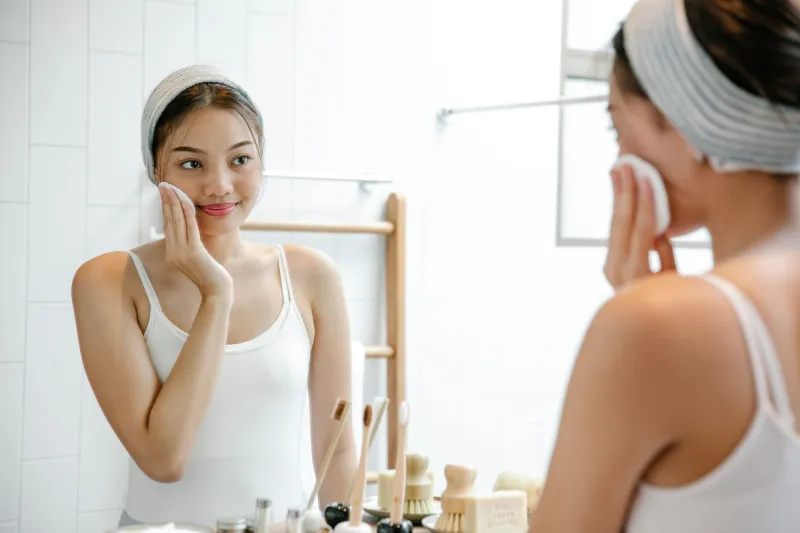
Double cleanse with intention. Use the oil cleanse as a massage, not just a wipe-down. Work it into the skin in circular motions for at least sixty seconds before removing.
Layer thin to thick. Apply your toner, then essence, then serum, then moisturizer in thin layers with brief pauses between each rather than applying everything in rapid succession.
Use your hands deliberately. After applying each layer, press — don't rub — the product into your skin using your palms. This gentle pressure application mimics some of the acupressure activation that makes professional facials so effective.
Finish with a tool. Even two minutes of gua sha or jade rolling at the end of your routine will extend the circulation and lymphatic benefits.
The Vietnamese facial effect is real, and it's not accidental. It's the result of a holistic approach that treats application technique, ingredient sequencing, and sensory preparation as equally important as the products themselves. That's a lesson your routine can start learning today.