The Oil-Control Paradox: What Vietnamese Cleansing Habits Teach Us About Fighting Grease With Grease

Let's be honest about what the American skincare aisle has sold us for decades: if your skin is oily, strip it. Foam it up, squeeze out every trace of sebum, and finish with something that feels so clean it almost squeaks. Problem solved, right?
Except it isn't. Because by 2 PM, you're blotting again. By evening, your T-zone could fry an egg. And somewhere in between, a new breakout is quietly forming.
Vietnamese women have been watching this cycle from a distance and, honestly, not participating in it. Their approach to oil control doesn't involve declaring war on sebum. It involves something far more strategic — and far more effective.
Why "Oil-Free" Is Often a Lie Your Skin Sees Through
Here's the part nobody in the marketing meeting wants to say out loud: stripping your skin of oil tells your sebaceous glands to produce more of it. It's a biological feedback loop. When your skin barrier is compromised — dried out by harsh surfactants or alcohol-heavy toners — your skin compensates by ramping up sebum production to protect itself.
So the cleanser that promises to control oil is, in many cases, actively triggering the problem it claims to solve. You're not winning the war. You're just making the enemy stronger.
Vietnamese skincare philosophy, shaped by generations of navigating genuinely humid, hot climates, arrived at a different conclusion a long time ago: the goal isn't zero oil. The goal is balanced oil. And you get there by working with your skin's natural chemistry, not against it.
The Two-Pronged Method, Explained
The Vietnamese cleansing approach that's quietly circulating through beauty communities in the US isn't complicated. It has two moves, and they work together.
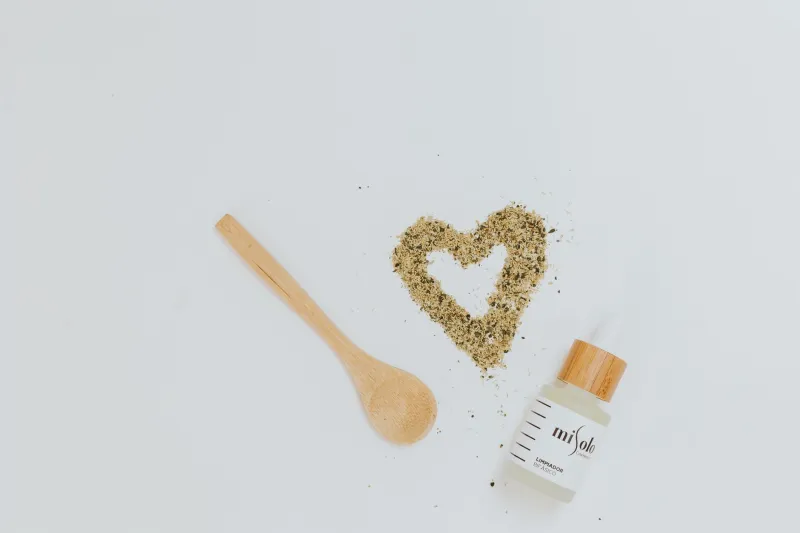
Step one: a lightweight cleansing oil or balm.
This is the part that trips Americans up. You're oily, so why would you put oil on your face? Because oil dissolves oil — that's basic chemistry. A well-formulated cleansing oil (think camellia oil, which has been a Vietnamese beauty staple for centuries, or lightweight rice bran oil) lifts sebum, sunscreen, and makeup from the skin without disrupting the barrier. It doesn't strip. It loosens and lifts.
The key word here is lightweight. This isn't slathering on a heavy coconut oil situation. Vietnamese cleansing oils tend to be thin, fast-absorbing, and formulated to emulsify easily — meaning they rinse clean with water rather than leaving a greasy film behind.
Step two: a gentle, water-based cleanser.
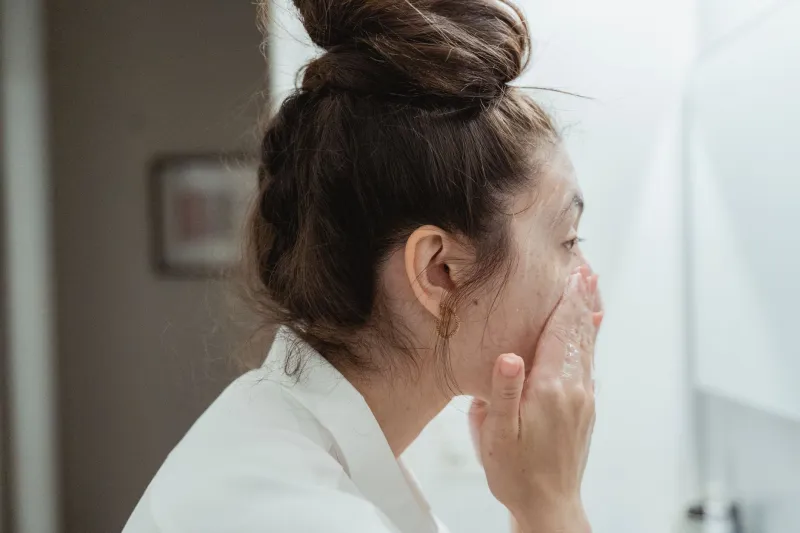
Once the oil has done the heavy lifting, a mild water-based cleanser sweeps away any remaining residue, balances pH, and leaves skin genuinely clean — not stripped. The foam isn't the point. The squeaky-clean feeling is actually a red flag. You're looking for skin that feels soft and neutral after washing, not tight, not slick, just... calm.
Together, these two steps do what no single aggressive cleanser can: they remove what needs to go without triggering the rebound oil production that keeps the cycle spinning.
The Sebum Isn't the Enemy — Here's What Actually Is
One of the more radical ideas baked into Vietnamese skincare tradition is that sebum, in the right amounts, is genuinely good for your skin. It's part of your acid mantle — the slightly acidic film that protects your skin from bacteria, environmental pollutants, and moisture loss.
When you obliterate that layer twice a day with a foaming cleanser full of sulfates, you're not just removing oil. You're removing a layer of protection your skin worked hard to build. What's left is a compromised barrier that's more vulnerable to breakouts, irritation, and — here's the irony — excess shine as your skin scrambles to rebuild.
Vietnamese beauty culture, particularly in the south where heat and humidity are constants, has long understood that the skin's natural defenses are worth preserving. The goal of cleansing was never to start from zero. It was to reset without erasing.
What This Looks Like in Practice for US Skin Types
If you're used to a single-step cleanser routine and the idea of adding an oil step sounds like more work, it's worth reframing: you're not adding complexity, you're replacing one ineffective step with two effective ones.
For oily or combination skin types — which make up a huge portion of the US market, particularly among people with Asian heritage or those living in warmer, more humid parts of the country — the switch can be genuinely surprising. Many people report less midday shine within the first week, not more, because their skin stops overproducing sebum in response to being stripped.
For acne-prone skin, the adjustment period might take a little longer, but the logic holds. Fewer disruptions to the barrier means fewer opportunities for bacteria to get in and cause breakouts. Cleansing oils formulated with non-comedogenic ingredients (camellia, squalane, hemp seed) won't clog pores — that's a myth that's kept a lot of people away from an approach that could genuinely help them.
For dry skin types who also deal with oiliness in specific zones (hello, classic combination skin), the two-step method is arguably even more tailored than anything a single product can offer. The oil step nourishes drier areas while the water-based step keeps things balanced overall.
The Bigger Lesson About Listening to Your Skin
What makes the Vietnamese two-pronged approach worth paying attention to isn't just the mechanics — it's the underlying philosophy. There's a long tradition in Vietnamese skincare of treating the skin as something to be understood and supported, not corrected and controlled.
The "cleanser wars" playing out on American shelves — every brand promising the most thorough, most purifying, most oil-defeating formula — operate from the assumption that your skin is doing something wrong and needs to be fixed. Vietnamese beauty tradition starts from a different place: your skin is doing its job. Help it do that job better.
Switching to a two-step cleanse isn't just a routine tweak. It's a shift in how you think about what clean skin actually means. And once you've made that shift, it's pretty hard to go back to the foam-and-pray method that was never really working anyway.
If you're ready to stop fighting your skin and start working with it, the Vietnamese approach to cleansing is one of the most practical places to start. No complicated ingredients list required. Just a little oil, a gentle rinse, and the willingness to trust that your skin might know what it's doing after all.