Skin Wisdom Before Skin Care: How Vietnamese Women Have Always Been Their Own Best Dermatologists
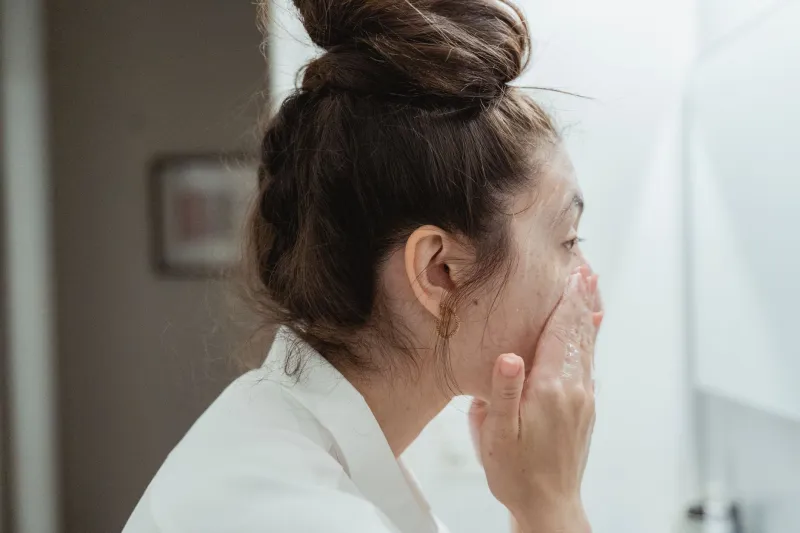
Let's be honest: the American approach to skin concerns usually follows a pretty predictable pattern. Something shows up — a patch of dryness, a cluster of breakouts, some stubborn discoloration — and within a week, you're either booking a dermatologist appointment or deep in a Reddit thread trying to decode a 12-ingredient prescription cream. We treat skin problems like emergencies. Vietnamese skincare culture treats them like weather. You watch the forecast, you prepare, and you rarely get caught in the rain.
That's not an oversimplification. It's actually the core philosophy behind how Vietnamese women — across generations and across economic backgrounds — approach their skin. And it's worth understanding, especially if you're tired of reactive routines that cost a small fortune and still feel like they're one step behind.
The Preventative Mindset That Changes Everything
In Vietnamese beauty culture, the goal isn't to fix your skin. It's to never let things get to the point where fixing is necessary. This sounds simple, but it's a genuinely different starting point than what most of us in the US are working from.
Vietnamese women grow up learning to read their skin the way you might learn to read the weather — not clinically, but intuitively. A grandmother notices her granddaughter's skin looking dull and asks what she's been eating. A mother spots early signs of heat rash and reaches for the cooling herbs she keeps in the kitchen. This kind of attentiveness is built into daily life, not reserved for a quarterly check-in with a specialist.
The idea is that your skin is constantly communicating your internal health, your stress levels, your diet, and your environment. Responding to those signals early — with food, hydration, simple topical ingredients, and rest — keeps small issues from becoming big ones. It's preventative wellness in the most practical sense.
Ingredient Fluency as a Life Skill
One of the most striking things about this approach is how ingredient-literate Vietnamese women tend to be — not because they've taken a cosmetic chemistry course, but because that knowledge gets passed down like a family recipe.
Knowing that rau má (gotu kola) calms irritation. That nghệ (turmeric) evens tone and fights inflammation when used correctly. That bồ kết (soapberry) cleanses without stripping. That green tea applied to the skin soothes after sun exposure. These aren't wellness trends — they're household knowledge that's been refined over centuries of practical use in a tropical climate that demands real solutions.
This ingredient fluency means that when something does go sideways with the skin, the first instinct isn't panic or a pharmacy run. It's a considered response: What does my skin actually need right now? And more often than not, the answer already exists somewhere in the pantry or in a product formulated around these traditional botanicals.
For US consumers, building this kind of knowledge doesn't require a cultural deep dive or a trip to an Asian grocery store (though both are genuinely worth trying). It starts with getting curious about what's actually in your products and why — and being open to the idea that plants Vietnamese healers have worked with for generations might outperform some of the synthetic actives you've been cycling through.
The Role of Lifestyle in the Routine
Here's where the Vietnamese approach gets genuinely inconvenient for product-focused beauty culture: a lot of it has nothing to do with products at all.
Diet is taken seriously. Not in a restrictive way, but in a "your skin reflects what you eat" way that Vietnamese families take as common sense. Cooling foods like lotus root, mung beans, and cucumber are eaten in hot months to prevent breakouts and inflammation. Warming, nourishing foods take priority in cooler seasons. Hydration — from broth, from fresh fruit, from water — is considered as essential to skin health as any topical routine.
Sleep and stress aren't just wellness buzzwords, either. They're treated as direct skin inputs. You'll hear Vietnamese mothers tell their daughters that late nights show up on your face before anywhere else. That stress creates heat in the body, which shows up as redness, breakouts, or sensitivity. The connection between internal state and external skin is taken as given, not as something to be debated.
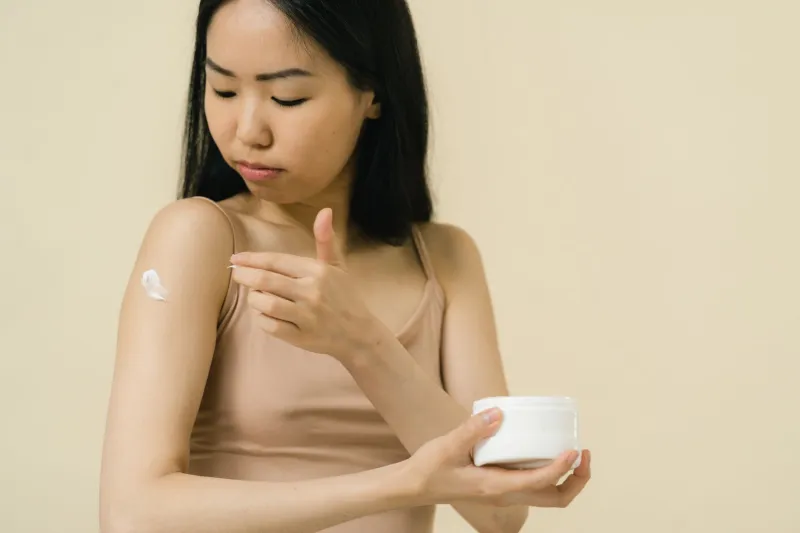
This doesn't mean Vietnamese women don't use skincare products — they absolutely do, and they're often quite thoughtful about them. But the products sit within a larger lifestyle framework rather than acting as the whole solution.
When They Do Seek Help, It Looks Different
This isn't to say Vietnamese women never seek outside guidance on their skin. They do. But the threshold is different, and so is the source.
Traditional Vietnamese medicine — rooted in concepts of body balance, heat and cold, and holistic health — has long offered a framework for understanding skin issues that goes beyond surface-level symptoms. A practitioner might assess not just what's appearing on the skin but what's happening in the gut, the liver, or the hormonal system. Herbal remedies, dietary adjustments, and acupressure are all on the table before anything more aggressive is considered.
This multi-system thinking is something Western dermatology is slowly catching up to — the gut-skin connection, the role of inflammation in acne, the hormonal drivers behind adult breakouts. Vietnamese traditional medicine has been working within this framework for a very long time.
What You Can Actually Take From This
You don't need to abandon your dermatologist or overhaul your entire lifestyle to pull something useful from this approach. But there are a few genuine shifts worth considering.
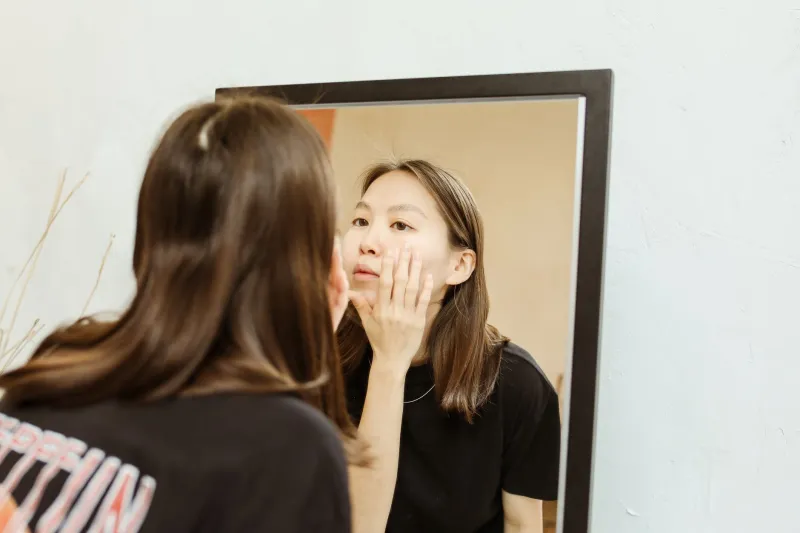
Start paying attention earlier. Don't wait for a full breakout or a visible patch of damage before you respond. Small signals — a little more oiliness than usual, a hint of dullness, slight tightness after cleansing — are worth noticing and responding to gently.
Build ingredient knowledge, even slowly. Get familiar with a handful of traditional Vietnamese botanicals and what they actually do. Gotu kola for barrier support and calming. Turmeric for brightening and inflammation. Licorice root for tone evenness. These aren't exotic — they're increasingly available in products on US shelves, and knowing what you're looking for makes shopping a lot less overwhelming.
Let lifestyle carry some of the load. Hydration, sleep, and a diet that includes anti-inflammatory foods aren't replacements for skincare, but they're not optional extras either. In Vietnamese beauty culture, they're the foundation everything else sits on.
Treat your skin as a system, not a surface. The most durable skin health comes from understanding that what you put on your face is only part of the equation. The rest lives in how you eat, sleep, move, and manage stress.
Vietnamese women aren't skipping the dermatologist because they're uninformed. They're often skipping it because they've built a relationship with their skin that makes the emergency visit unnecessary most of the time. That kind of skin literacy — calm, informed, preventative — is available to anyone willing to slow down and actually listen.