Your SPF Routine Might Be Working Against You — Here's the Vietnamese Way to Actually Stay Protected

Sunscreen is sacred in American dermatology. SPF 30 minimum, reapply every two hours, no exceptions. The messaging is so consistent and so loud that questioning it feels almost reckless. But here's the thing — Vietnamese women, who live in one of the most UV-intense climates on the planet, have maintained beautiful, even-toned, well-protected skin for centuries without reaching for a tube of chemical sunscreen. And increasingly, the beauty world is paying attention to how they do it.
This isn't an argument against wearing sunscreen. It's an argument for thinking more carefully about what protection actually means — and what else might be doing meaningful work that we've been trained to overlook.
The Chemical Sunscreen Conversation Nobody Wants to Have
In 2019, the FDA dropped a report that made a lot of sunscreen users uncomfortable: several chemical UV filters — including oxybenzone and octinoxate — were found to be absorbed into the bloodstream at levels that exceeded the agency's threshold for safety without further study. The report didn't say these ingredients were definitively harmful. But it raised legitimate questions that the dermatology establishment largely brushed past in favor of the familiar "sunscreen is non-negotiable" message.
For consumers who were already interested in clean beauty, this was a turning point. For Vietnamese skincare philosophy, it wasn't surprising at all.
Traditional Vietnamese sun protection never relied on synthetic UV-filtering chemistry. It relied on physical barriers, antioxidant defense, and smart behavioral habits — a multi-layered system that addressed UV exposure rather than just trying to chemically block it at the last second.
The Role of Rice Bran in Vietnamese Sun Defense
Rice is foundational to Vietnamese culture in every sense, including beauty. Rice bran oil — extracted from the outer layer of the rice grain — has been used in Vietnamese skincare and bathing rituals for generations. It's rich in gamma-oryzanol, a compound with documented antioxidant and UV-absorbing properties. It also contains vitamin E and ferulic acid, both of which are well-established in dermatological research as photoprotective antioxidants that help neutralize free radical damage triggered by UV exposure.
Here's the key distinction: rice bran doesn't block UV rays the way a chemical sunscreen does. It supports the skin's own defense mechanisms, helping neutralize the oxidative stress that UV radiation causes at the cellular level. Think of it less like a shield and more like armor reinforcement from the inside.
Vietnamese women have been applying rice bran-based preparations to their skin — in the form of rice water rinses, bran-infused oils, and fermented rice extracts — as a daily ritual rather than a reactive measure. That consistency matters. Antioxidant protection builds up over time in a way that a single morning application of SPF doesn't quite replicate.
Layering as a Philosophy, Not Just a Technique
One of the things that sets Vietnamese sun protection practice apart is the understanding that protection is cumulative. It's not one product doing one job — it's a series of habits and ingredients working together.
A traditional Vietnamese approach might look something like this:
Antioxidant-rich diet and topical ingredients first. Green tea, lotus, and turmeric are dietary staples in Vietnam that also appear in skincare preparations. All three contain polyphenols and antioxidants that have been shown in research to reduce UV-induced skin damage. Applying a green tea or turmeric-based serum before sun exposure isn't just a trend — it's a practice with deep roots and emerging scientific support.
Physical coverage as a daily default. In Vietnam, lightweight long-sleeved clothing, hats, and parasols aren't fashion statements — they're sun protection tools that don't require reapplication every two hours and don't introduce any chemical load to the skin. American beach culture has made this seem extreme, but it's genuinely effective and completely non-irritating.
Mineral-based formulations when a topical SPF is used. When Vietnamese skincare does incorporate a sunscreen-style product, the preference leans toward zinc oxide and titanium dioxide — physical (mineral) filters that sit on top of the skin rather than being absorbed into it. These are the same ingredients that American clean beauty advocates have been pushing for years, and they're increasingly available in elegant, non-chalky formulations from Vietnamese and Korean beauty brands.
The Antioxidant Defense System Your Routine Is Missing
Here's something worth understanding about how UV damage actually works: the sun doesn't just burn the surface of your skin. UV radiation triggers a cascade of free radical activity that damages DNA, breaks down collagen, and contributes to hyperpigmentation and premature aging. Chemical sunscreens intercept UV rays before they hit the skin. Antioxidants intercept the damage after UV rays make contact.
This is why antioxidant-rich skincare isn't a nice-to-have addition to your SPF routine — it's a genuinely complementary layer of defense. Vietnamese skincare has always incorporated this logic, even without the molecular vocabulary to describe it. Ingredients like lotus extract, Vietnamese green tea, and fermented rice bran don't just make skin look nice. They're doing active photoprotective work.
Researchers studying ferulic acid (abundant in rice bran) have found that it significantly enhances the photoprotective effect of vitamins C and E when combined. That's a finding that validates what Vietnamese beauty practice has built empirically over generations.
What This Means for Your Morning Routine
None of this means you should stop wearing sunscreen if it's working for you. But it does suggest that a smarter approach to sun protection might look more like the Vietnamese model than the "one SPF product, done" mentality most Americans default to.
A few practical shifts worth considering:
- Add an antioxidant serum before your SPF. Vitamin C, ferulic acid, and green tea extract are all research-backed options. Vietnamese skincare brands formulate with these ingredients beautifully.
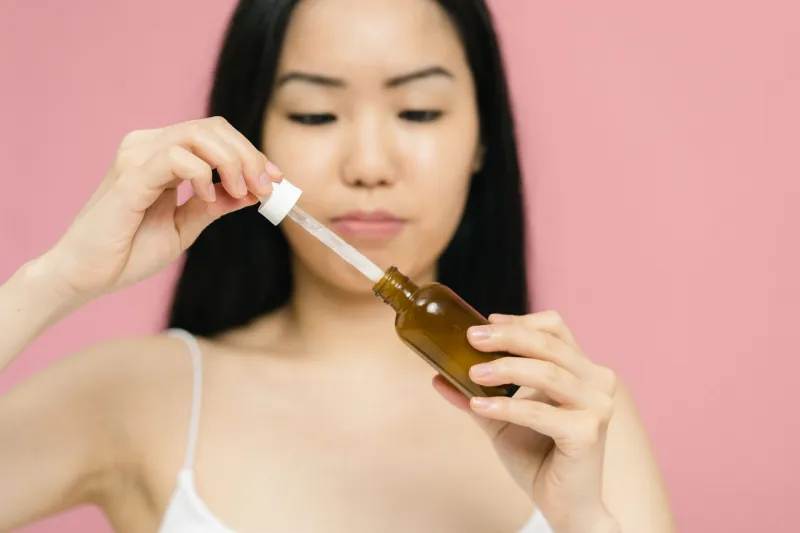
- Explore rice bran oil as a daily facial oil. It absorbs quickly, works for most skin types, and adds a meaningful antioxidant layer to your routine.
- If you're choosing a sunscreen, go mineral. Zinc oxide formulations have improved dramatically — there are lightweight, non-greasy options that don't leave a white cast, particularly from Asian beauty brands designed for a range of skin tones.
- Don't underestimate physical protection. A wide-brimmed hat during peak UV hours does more than most people give it credit for, and it costs you nothing in terms of skin irritation.
Vietnamese sun protection philosophy isn't anti-science — it's actually more aligned with where the science is heading than the chemical-sunscreen-only model that American dermatology has clung to. The difference is that it's always treated protection as a lifestyle rather than a product. And in a beauty landscape increasingly skeptical of synthetic ingredients and one-size-fits-all solutions, that's a perspective worth taking seriously.