The Glow That Doesn't Fade: What Vietnamese Women Over 50 Know About Aging That the Beauty Industry Won't Tell You
What Does 'Anti-Aging' Even Mean Anymore?
Flip through any American women's magazine — or scroll through Instagram for about four minutes — and you'll encounter the same relentless message: aging is a problem to be solved. Fill it. Freeze it. Laser it away. The American beauty industry generates billions annually by convincing consumers that visible signs of aging are something close to a personal failure.
Mai Tran, a 58-year-old Vietnamese-American woman living in Garden Grove, California, laughs when she hears this framing. "My mother is 82 and her skin is still beautiful. She's never had an injection. She's never seen a dermatologist for cosmetic reasons. She drinks her rau má tea, she uses her oils, she stays out of harsh sun, and she sleeps well. That's it."
There's a quiet revolution happening in American beauty spaces, and it's being led — at least in part — by Vietnamese and Vietnamese-American women who are offering a fundamentally different answer to the aging question. Not how do you stop it, but how do you move through it with your skin intact and your spirit unhurried.
Prevention Over Correction: The Core Philosophy
If there's one principle that runs through Vietnamese skincare tradition like a thread, it's this: protect what you have before you try to fix what you've lost. This isn't defeatism — it's strategy.
Traditional Vietnamese beauty wisdom, much of it rooted in the principles of Eastern medicine, views the skin as a reflection of internal health. Hydration, nutrition, sleep, and stress management aren't wellness buzzwords here — they're the foundation of the entire approach. Topical skincare matters, but it's understood as the final layer of a much deeper system.
"In Vietnam, we say đẹp từ trong ra ngoài — beautiful from the inside out," explains Lan Pham, a 63-year-old aesthetician in Houston who trained in Saigon before immigrating to the US in the early 1990s. "We start protecting skin young. Sunscreen, hats, staying in shade. By the time a Vietnamese woman is 50, she's had 30 years of sun protection habits. American women sometimes start thinking about sun damage at 45 and wonder why it's so hard to reverse."
The math is frustratingly simple, and it's something American consumers are starting to take seriously as the "damage control" model of anti-aging loses its appeal.
The Rituals That Actually Work
So what does a traditional Vietnamese mature skincare routine actually look like? It's less about a ten-step product lineup and more about consistent, intentional habits — many of which have been passed from mothers to daughters across generations.
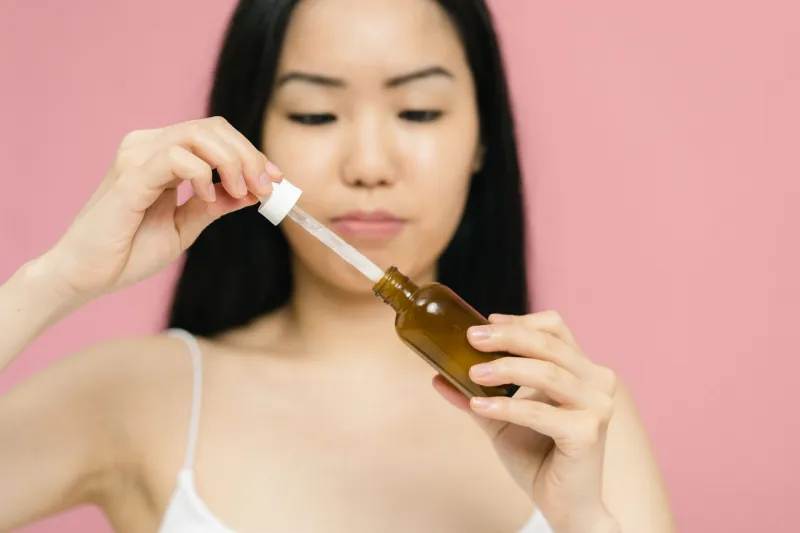
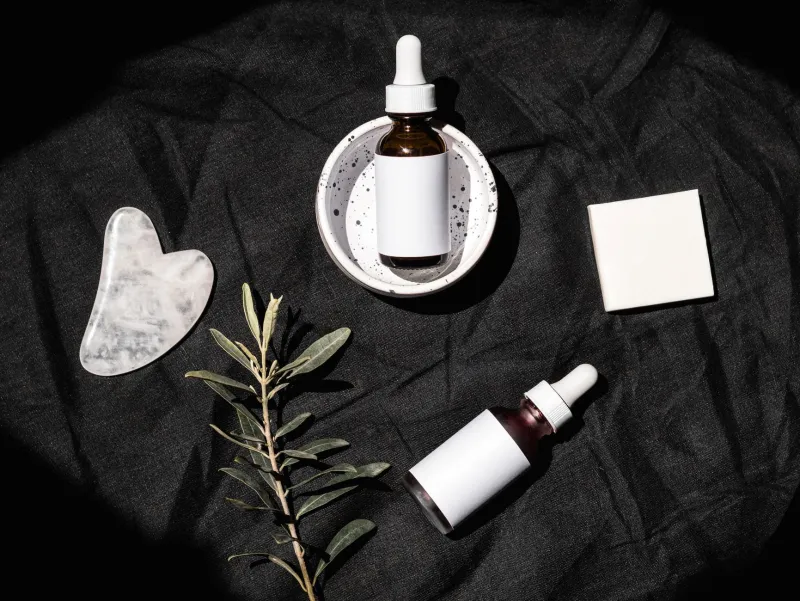
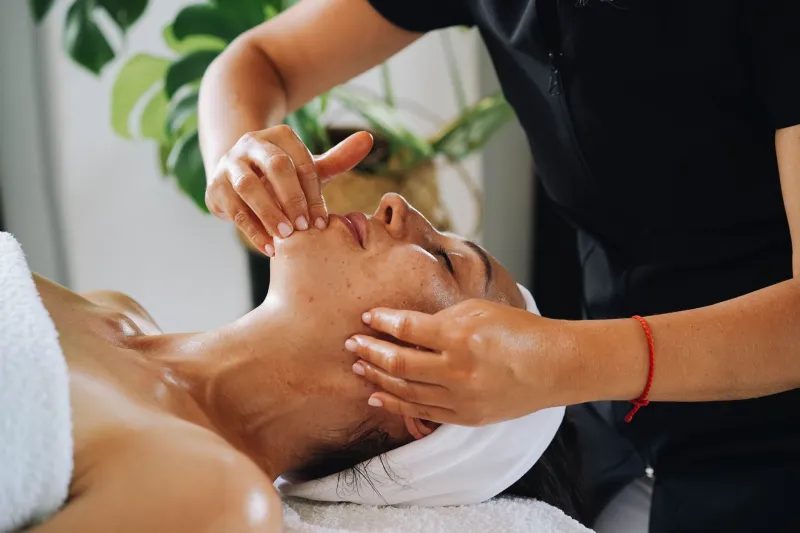
Facial massage with natural oils is a cornerstone. Coconut oil, camellia oil, and marula oil are all common in Vietnamese households, used to maintain elasticity and circulation in the skin. The massage technique matters as much as the oil itself — gentle, upward, lymph-draining strokes that Vietnamese women often learned by watching their mothers and grandmothers.
Rice water treatments have been a Vietnamese beauty staple for centuries. The fermented version, rich in inositol and amino acids, is believed to slow the appearance of aging and improve skin texture. Many Vietnamese-American women maintain this ritual even decades after immigrating, making fresh rice water a weekly part of their routines.
Herbal steam and compress treatments using ingredients like lemongrass, ginger, and mugwort are another traditional approach, used to open pores, improve circulation, and deliver botanical actives directly to the skin. These aren't spa luxuries in Vietnamese culture — they're household habits.
Dietary practices round out the picture. Green tea, lotus seed preparations, and fresh herbs consumed daily are considered as much a part of skincare as anything applied topically. Collagen-rich bone broths, eaten regularly across Vietnamese culinary tradition, align remarkably well with what Western nutritional science now says about skin health.
Voices From the Vietnamese-American Community
The women who carry this wisdom into their American lives are its most compelling advocates.
Thuy Nguyen, 55, works as a nurse in San Diego and describes her skincare philosophy as "aggressively preventative and deeply unbothered." She moisturizes with a Vietnamese camellia oil blend her aunt sends from Ho Chi Minh City, wears SPF 50 every single day, and has never felt tempted by the Botox conversations happening among her colleagues. "My patients are stressed and they look it," she says with characteristic directness. "I manage my stress. That's anti-aging."
Huong Le, 61, came to the US as a refugee in 1979 and raised three daughters in Minnesota. She's become something of a skincare mentor in her local Vietnamese-American community, hosting informal gatherings where she teaches younger women — including her American daughters-in-law — the rice water and herbal steam rituals her own mother taught her. "It's not complicated," she insists. "It's just consistent. Americans want a product that fixes everything fast. This doesn't work that way. It works slowly, and then one day you look in the mirror and you understand."
Challenging the Western Anti-Aging Machine
The Vietnamese approach isn't just a different set of products — it's a different relationship with time. And that's genuinely radical in the American context.
The US anti-aging market is built on urgency. Every product promises visible results in days. Every treatment claims to turn back the clock by years. The implicit message is that aging is an emergency requiring constant intervention.
Vietnamese skincare tradition doesn't recognize that emergency. It recognizes a process — one that can be honored, supported, and navigated with dignity. Mature skin isn't broken skin. It's experienced skin, and it deserves formulations and rituals that treat it accordingly.
This philosophy is resonating with American consumers who are, frankly, exhausted. Exhausted by the cost of injectables. Exhausted by the side effects of aggressive actives. Exhausted by the message that their natural faces are inadequate. Vietnamese women like Mai, Lan, Thuy, and Huong are offering something genuinely different: proof that another way exists, and that it works.
Where to Start If You're Ready to Shift Your Approach
You don't need to overhaul your entire routine overnight. A few simple shifts can start moving you in this direction:
- Commit to daily SPF — not just on beach days, but every day, year-round. This single habit, practiced consistently over years, is the foundation of everything else.
- Add a facial oil to your evening routine. Vietnamese camellia oil is a beautiful, lightweight option that won't clog pores and absorbs beautifully into mature skin.
- Try rice water once a week. Rinse uncooked rice, let the milky water sit for 30 minutes, then apply to clean skin and rinse after 10 minutes. Simple, free, and genuinely effective.
- Slow down your routine. Take two minutes to massage your moisturizer in upward strokes rather than patting it on quickly. The ritual matters.
- Drink your herbs. A daily cup of green tea or rau má tea isn't going to replace topical skincare, but over years, the cumulative effect on your skin's health is real.
The Glow Is Real — And It's Available to Everyone
Vietnam's approach to aging skin isn't a secret, exactly. It's just been underrepresented in a beauty conversation dominated by Western brands and Korean beauty trends. As that conversation widens, and as American consumers grow more curious about where traditional wisdom intersects with modern skin science, Vietnamese beauty practices are finally getting the recognition they've always deserved.
The women who've been practicing these rituals for decades aren't trying to look younger. They're committed to looking well — nourished, rested, and at home in their own skin. That's a goal worth working toward, whatever your age.