Beyond Ginseng and Snail Slime: 5 Vietnamese Botanical Powerhouses That Deserve a Spot in Your Routine

Photo by Photo by Henry Davidson on Unsplash on Unsplash
Let's be honest — Korean beauty deserves its flowers. It brought sheet masks to every Target in America, made SPF a daily habit for a whole generation, and introduced the Western world to ingredients like snail mucin and centella asiatica. But here's what doesn't get talked about enough: Vietnam has its own extraordinary botanical tradition, and many of those ingredients are just as potent — sometimes more so — than the K-beauty staples filling your medicine cabinet.
Vietnamese herbalism is ancient, deeply rooted in a blend of indigenous knowledge and influences from traditional Chinese and Ayurvedic medicine. Many of the plants used medicinally for centuries in Vietnam are now being studied in clinical settings — and the results are genuinely exciting. Here are five Vietnamese botanical ingredients worth knowing.
1. Rau Má (Centella Asiatica) — The Original, Not the K-Beauty Version
Wait — isn't centella asiatica already a K-beauty staple? Yes and no. While Korean brands popularized cica (as it's commonly called in beauty marketing), centella asiatica — known in Vietnam as rau má — has been a culinary and medicinal staple in Vietnamese culture for far longer. In Vietnam, it's consumed as a fresh juice, used in traditional medicine for wound healing, and applied topically to calm irritated skin.
The distinction matters because sourcing and concentration vary wildly. Vietnamese rau má preparations tend to use the whole plant, preserving a broader spectrum of active compounds — including asiaticoside, madecassoside, and asiatic acid — rather than isolating a single extract. Research published in Phytomedicine has shown that whole-plant centella preparations demonstrate stronger anti-inflammatory and collagen-stimulating effects than isolated fractions.
Best for: Sensitive, acne-prone, or post-procedure skin. Look for Vietnamese-sourced centella in toners, essences, or barrier repair creams.
2. Nha Đam (Aloe Vera) — Supercharged by Vietnam's Growing Conditions
Aloe vera is so ubiquitous in American drugstore products that it's easy to dismiss it as basic. But not all aloe is created equal. Vietnamese-grown aloe, cultivated in the country's central highlands, is prized for its unusually high polysaccharide content — the compounds responsible for aloe's signature gel texture and its ability to deeply hydrate and soothe.
Clinical studies have confirmed that aloe polysaccharides accelerate wound healing, reduce transepidermal water loss, and modulate immune responses in the skin. Vietnamese beauty brands are increasingly using cold-pressed, minimally processed aloe that retains far more of these active compounds than the heat-treated aloe found in mass-market Western products.
Compared to popular K-beauty hydrating ingredients like hyaluronic acid, high-quality Vietnamese aloe offers a comparable moisture-binding effect with the added bonus of anti-inflammatory and antimicrobial properties — making it genuinely multi-functional.
Best for: Oily, combination, or sunburned skin. Works beautifully as a lightweight moisturizer in humid climates or summer months.
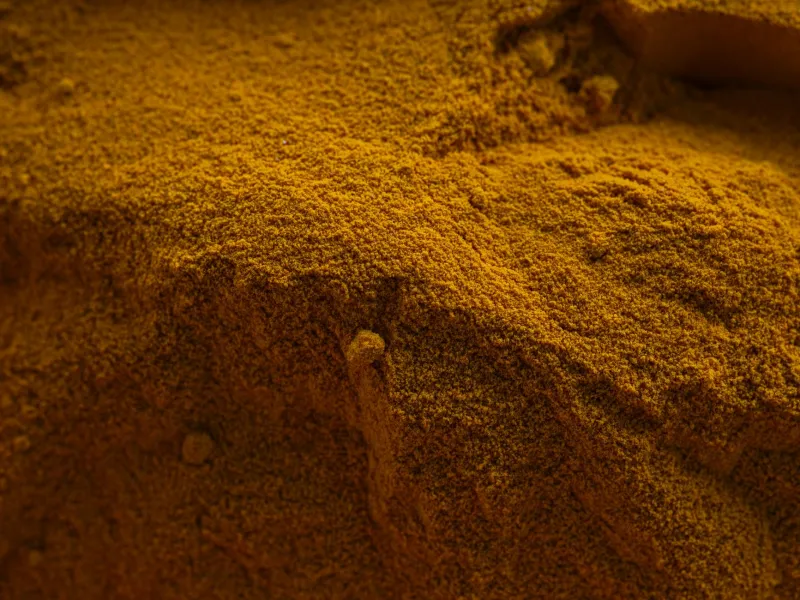
3. Nghệ (Turmeric) — Way More Than a Face Mask Trend
Turmeric has had a major moment in US wellness culture over the past few years — golden lattes, supplement capsules, you name it. But in Vietnam, nghệ has never gone out of style. It's been used for generations to treat skin inflammation, hyperpigmentation, and even post-wound scarring.
The active compound, curcumin, is one of the most studied natural anti-inflammatory and antioxidant molecules in existence. A 2019 review in the Journal of Ethnopharmacology found strong evidence supporting curcumin's ability to inhibit melanin production (making it effective for dark spots and uneven tone) and reduce oxidative stress in skin cells.
Where Vietnamese turmeric formulations have an edge over many Western turmeric products is in bioavailability. Traditional Vietnamese preparations often combine turmeric with black pepper extract or carrier oils — not because of a trend, but because generations of use revealed that these combinations made the ingredient more effective. Modern cosmetic chemists are catching up to what Vietnamese herbalists figured out long ago.
Best for: Uneven skin tone, post-acne marks, and dull complexions. Particularly effective in oil-based serums or balm formulations.
4. Trà Xanh (Green Tea) — Vietnam's Answer to Antioxidant Overload
Japanese matcha gets most of the antioxidant glory in the beauty world, but Vietnamese green tea — particularly varieties grown in the Tân Cương region of Thái Nguyên province — is exceptionally high in epigallocatechin gallate (EGCG), the catechin compound responsible for green tea's skin-protective effects.
EGCG has been shown in multiple peer-reviewed studies to neutralize free radical damage, reduce sebum production, and even offer mild UV-protective properties when applied topically. For American consumers dealing with environmental stressors like pollution and sun exposure, a Vietnamese green tea extract in your routine is essentially a daily shield.
Compared to popular K-beauty antioxidants like fermented galactomyces or vitamin C derivatives, green tea extract offers broader free radical scavenging with a lower risk of irritation — making it ideal for those with reactive skin who still want antioxidant protection.
Best for: Oily, acne-prone, or environmentally stressed skin. Excellent in toners, mists, or lightweight serums.
5. Gạo Lứt (Red Rice Extract) — The Brightening Ingredient You Haven't Heard Of Yet
White rice water has been having its mainstream moment, but red rice — gạo lứt in Vietnamese — is the lesser-known sibling that deserves far more attention. Red rice bran extract is rich in gamma-oryzanol, ferulic acid, and a suite of B vitamins that work synergistically to brighten skin, reduce oxidative damage, and support the skin's lipid barrier.
Ferulic acid, in particular, is already celebrated in Western dermatology circles as a potent antioxidant that enhances the stability and efficacy of vitamins C and E. Vietnamese red rice extract delivers ferulic acid alongside a natural complex of complementary compounds — essentially a whole-food approach to antioxidant skincare.
In head-to-head comparisons with popular K-beauty brightening ingredients like niacinamide and arbutin, red rice extract shows comparable melanin-inhibiting effects while also offering barrier-strengthening benefits that neither niacinamide nor arbutin provide on their own.
Best for: Dull, hyperpigmented, or dry skin. Particularly effective in serums, sleeping masks, or facial oils.
The Bigger Picture
Vietnamese botanicals aren't newcomers to the skincare world — they're just new to Western marketing. The ingredients above have centuries of use behind them and a growing body of clinical research catching up to validate what Vietnamese herbalists and grandmothers already knew.
As the US beauty market matures and consumers start asking harder questions about ingredient sourcing, efficacy, and sustainability, Vietnamese botanical ingredients are positioned to move from niche curiosity to mainstream staple. At Oski Vietnam Beauty, we've believed that from day one — and the science is starting to agree with us.
Your routine doesn't need to be complicated. It just needs ingredients that actually work. And Vietnam has plenty of those.