From Hanoi Kitchens to American Bathroom Shelves: The Rise of Turmeric in Modern Skincare
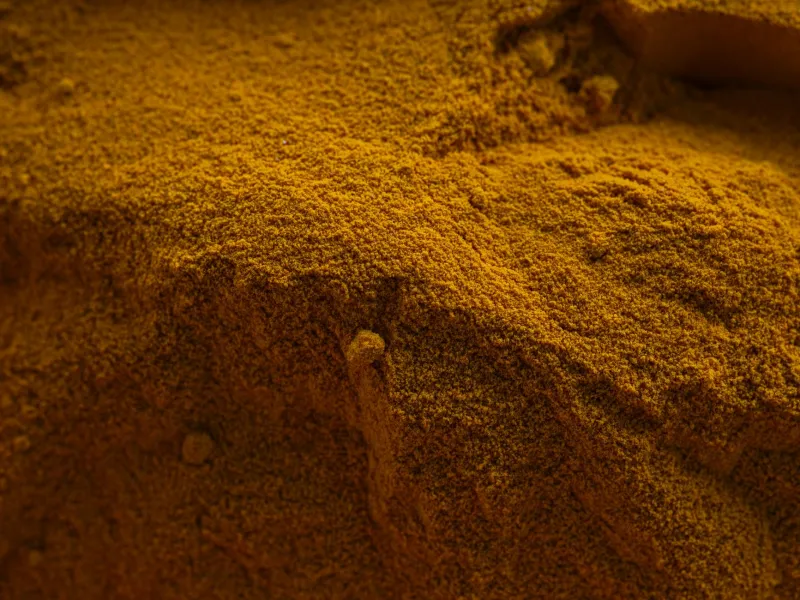
Walk into any Vietnamese grandmother's kitchen in Saigon or Hanoi, and you'll almost certainly find a jar of turmeric powder sitting near the stove — used for cooking, yes, but also quietly doing double duty as a beauty treatment. For generations, Vietnamese women have mixed this golden spice with honey, yogurt, or rice water to create simple face masks that brighten skin, fade dark spots, and calm irritation. Fast forward to today, and that same humble root has exploded into a full-blown skincare movement across the United States.
Turmeric-based products are popping up everywhere — from Target end caps to Sephora shelves to your favorite indie beauty brand's Instagram feed. But what's actually behind the hype? And how does the traditional Vietnamese approach compare to what you're seeing in modern formulations? Let's dig in.
What Makes Turmeric Such a Big Deal for Skin?
The short answer: curcumin. That's the active compound responsible for turmeric's vivid yellow color, and it's also the reason dermatologists are paying attention. Curcumin is a potent antioxidant with well-documented anti-inflammatory properties, meaning it can help calm redness, reduce the appearance of acne, and protect skin from environmental stressors like pollution and UV damage.
Dr. Linh Nguyen, a board-certified dermatologist based in Los Angeles who specializes in Asian skin concerns, explains it this way: "Curcumin works by inhibiting certain inflammatory pathways in the skin. For people dealing with hyperpigmentation — which is incredibly common in Asian skin tones — it also has mild melanin-suppressing effects that can help even out skin tone over time."
That melanin angle is a big reason turmeric has been trusted in Vietnamese beauty culture for so long. Hyperpigmentation, sun spots, and post-acne marks are common concerns for many Asian skin types, and traditional Vietnamese remedies leaned into turmeric as a natural brightening agent long before the word "brightening" became a skincare marketing buzzword.
The Traditional Vietnamese Turmeric Mask: Simple, Effective, Time-Tested
In Vietnam, turmeric masks were never really a "recipe" in the formal sense — they were something passed down through families, adjusted based on what was available and what your skin needed. A classic version might combine fresh turmeric paste (or powder) with raw honey for its antibacterial properties and a splash of coconut milk for moisture. Some families added rice water, which itself has skin-softening benefits, or a bit of aloe vera gel during warmer months.
The ritual was simple: apply the mask two or three times a week, let it sit for 15 to 20 minutes, then rinse. No fancy tools, no 12-step prep routine. Just real ingredients doing real work.
The one well-known downside? Turmeric stains — badly. Anyone who's ever made curry knows this. Traditional users typically rinsed carefully with cool water and accepted a faint golden tint as part of the process. It faded quickly, but it was a trade-off.
How Modern Formulations Are Solving the Old Problems
Here's where contemporary skincare science steps in. One of the biggest challenges with raw turmeric is bioavailability — curcumin is notoriously difficult for skin to absorb in its natural form. Modern formulations use encapsulated curcumin, nano-delivery systems, or combine turmeric with ingredients like vitamin C or niacinamide that enhance its effectiveness and stability.
They've also largely solved the staining issue. Most commercial turmeric serums, moisturizers, and masks use highly refined extracts that deliver the benefits without turning your face orange.
Vietnamese beauty expert and esthetician Trang Pham, who runs a skincare studio in Houston's vibrant Vietnamese community, sees this evolution as exciting — but with a caveat. "The modern products are more convenient and often more potent," she says. "But I always tell my clients not to forget where this ingredient came from. The traditional mask with real turmeric and honey? It works. It's worked for a very long time. Sometimes simple is still the best."
What American Skincare Consumers Are Actually Looking For
The US skincare market has shifted significantly in recent years. Consumers are increasingly skeptical of synthetic ingredients and actively seeking products with recognizable, natural components. Turmeric checks that box hard — it's a food ingredient most Americans already know and trust.
There's also growing awareness of and appreciation for beauty traditions from outside the Western canon. K-beauty opened the door, and now Vietnamese beauty practices are starting to earn their own spotlight. Ingredients like turmeric, gac fruit, and lotus extract are slowly becoming part of the mainstream conversation.
At Oski Vietnam Beauty, we've seen this firsthand. Customers who initially come looking for a single brightening serum often end up curious about the broader tradition behind it — the holistic approach to skin health that Vietnamese beauty culture has always prioritized.
How to Add Turmeric to Your Routine (Without the Orange Face)
If you're ready to give turmeric a real shot, here are a few practical ways to start:
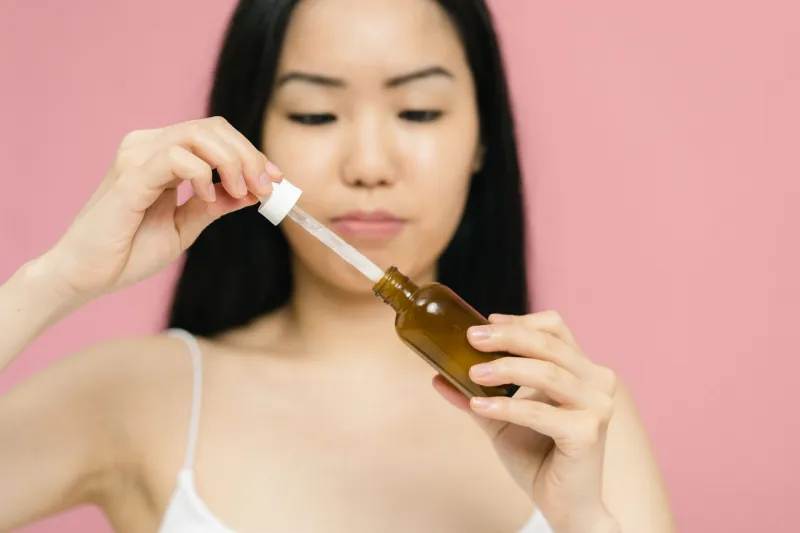
Start with a serum. A well-formulated turmeric serum is probably the easiest entry point. Look for products that list curcumin extract or turmeric root extract in the first half of the ingredient list, ideally paired with vitamin C or hyaluronic acid.
Try a traditional mask on weekends. Mix half a teaspoon of high-quality turmeric powder with a tablespoon of raw honey and a little plain yogurt. Apply, wait 15 minutes, and rinse thoroughly. Yes, your sink might turn yellow. Worth it.
Be patient. Turmeric is not an overnight fix. Consistent use over four to six weeks is where you'll start to see real changes in brightness and evenness.
Patch test first. Especially if you have sensitive skin. Turmeric is generally very well-tolerated, but it's always smart to test a new ingredient on your inner arm before putting it on your face.
The Bigger Picture
What's happening with turmeric in American skincare isn't really about a trend. It's about a slow, meaningful shift toward recognizing that some of the most effective beauty knowledge in the world has been quietly living in traditional cultures for centuries. Vietnamese beauty practices — built on accessible, natural ingredients and a deep understanding of how climate and diet affect skin — have a lot to offer modern consumers.
The golden root that sat in Vietnamese kitchens for generations isn't new. It's just finally getting the recognition it always deserved.